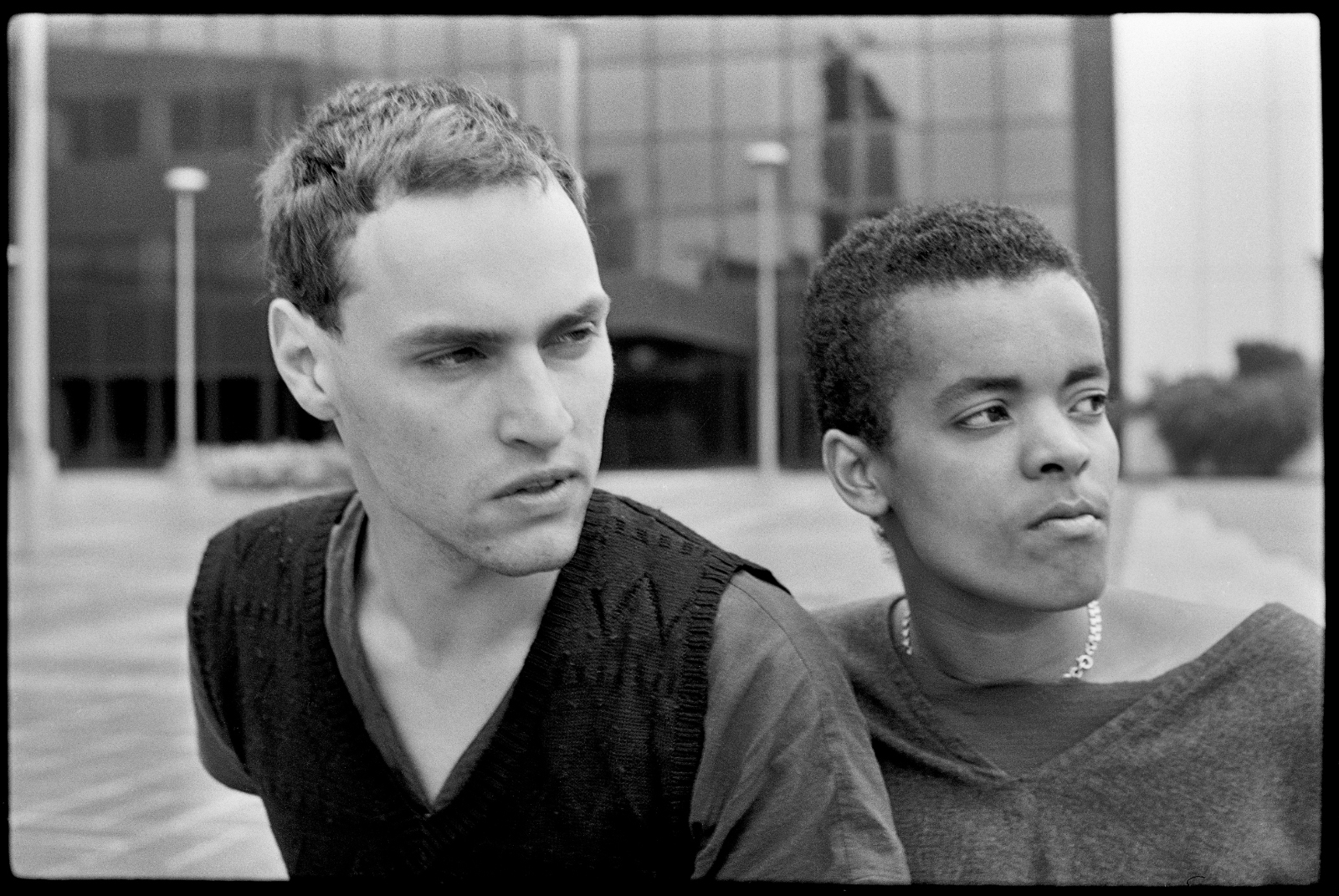
Biographies between Underground and Propaganda
Toni Ebel, Andreas Fux, Harry Hachmeister, Jochen Hass, Dorothea von Philipsborn, Erika Stürmer-Alex, Rita „Tommy“ Thomas, Jürgen Wittdorf, Egon Wrobel
curated by Stephan Koal
KVOST
All artists
Wed – Sun 2 – 6 pm
free admission
Other exhibition venues
Werkbundarchiv – Museum der Dinge
Egon Wrobel
Leipziger Straße 54, 10117 Berlin / museumderdinge.de
Thu – Mon 12 – 7 pm
Admission: 6 Euro, reduced 4 Euro
Mitte Museum
Andreas Fux & Jürgen Wittdorf
Pankstraße 47, 13357 Berlin / mittemuseum.de
Sun – Fri 10am – 6 pm
free admission
nGbK
All artists
Karl-Liebknecht-Straße 11/13, 10178 Berlin / ngbk.de
Tue – Sun 12–6 pm, Fri 12 – 8 pm
free admission
The exhibition and extensive accompanying events programme shed light on artists’ positions in East Germany and encourage a new reading of art from the GDR. The project is a KVOST initiative and is taking place in cooperation with neue Gesellschaft für bildende Kunst (nGbk), Mitte Museum, and Werkbundarchiv – Museum der Dinge. The exhibition draws on the checkered life stories of nine artists and their works, ranging from painting, sculpture, and ceramics to photography. On that basis it shows how differently the nine addressed the political and social conditions of their day. To what extent did sexual orientation influence their artistic practice and their careers?