Next . Coda: Wiederaufführung einer Ausstellung

Opening . 3 July 2026 . 6 – 9 pm

Bernd Bankroth, Horst Bartnig, Wolfgang E. Biedermann, Dietrich Burger, Hartwig Ebersbach, Dieter Goltzsche, Renate Göritz, Jürgen Haufe, Rainer Herold, Karl-Georg Hirsch, Lutz Hirschmann, Veit Hofmann, Gerhard Kettner, Ingo Kirchner, Wolfgang Mattheuer, Alfred T. Mörstedt, Rolf Münzner, Charlotte Elfriede Pauly, Heinz Plank, Herbert Sandberg, Erika Stürmer-Alex, Hans Ticha, Andreas Wachter, Claus Weidensdorfer, Karla Woisnitza, Axel Wunsch 

Curated by Thibaut de Ruyter based on a concept by Hans-Jörg Schirmbeck

An exhibition project by ifa (Institut für Auslandsbeziehungen) in cooperation with the Wüstenrot Foundation. Funded by the Capital Cultural Fund.

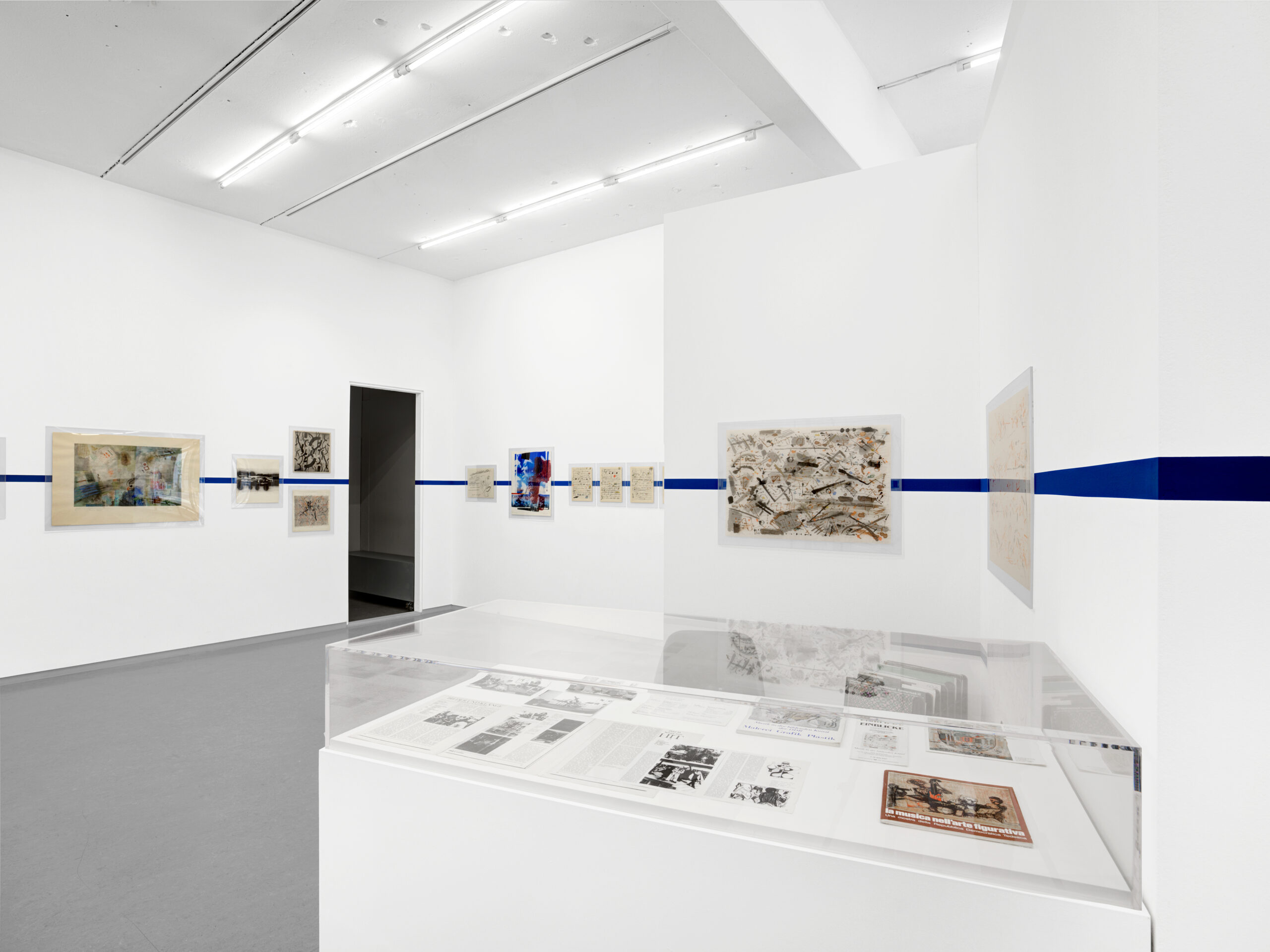
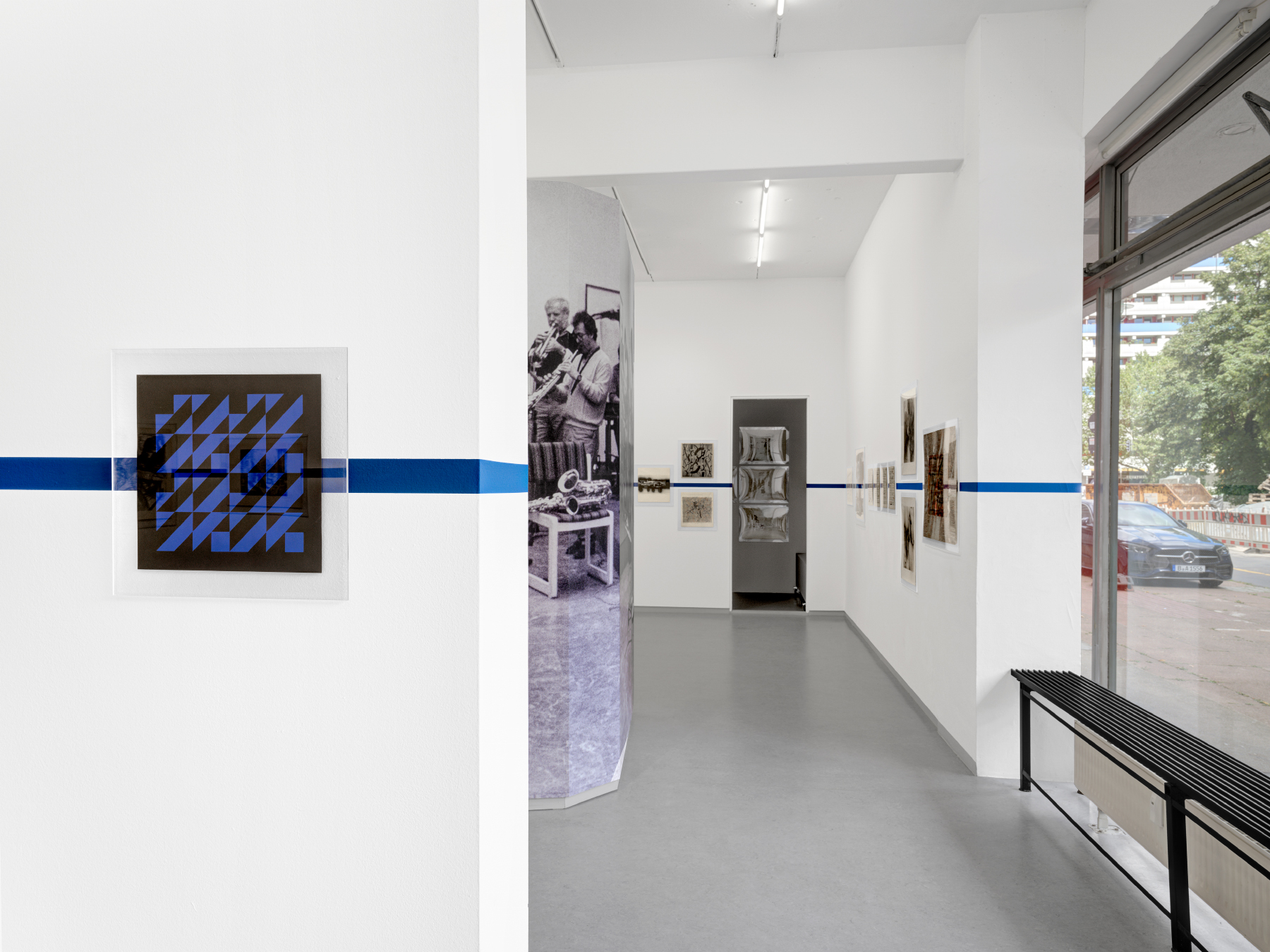
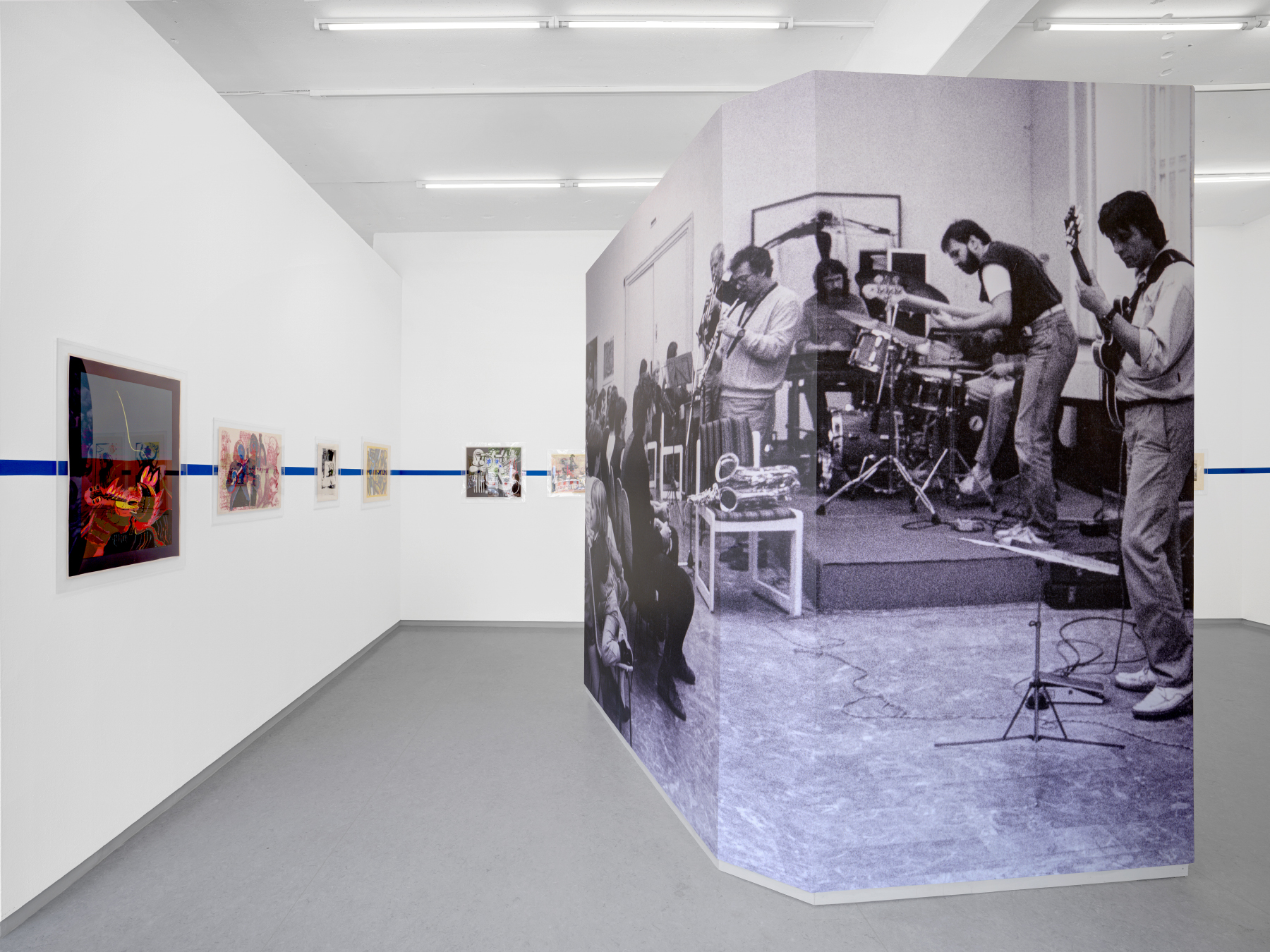
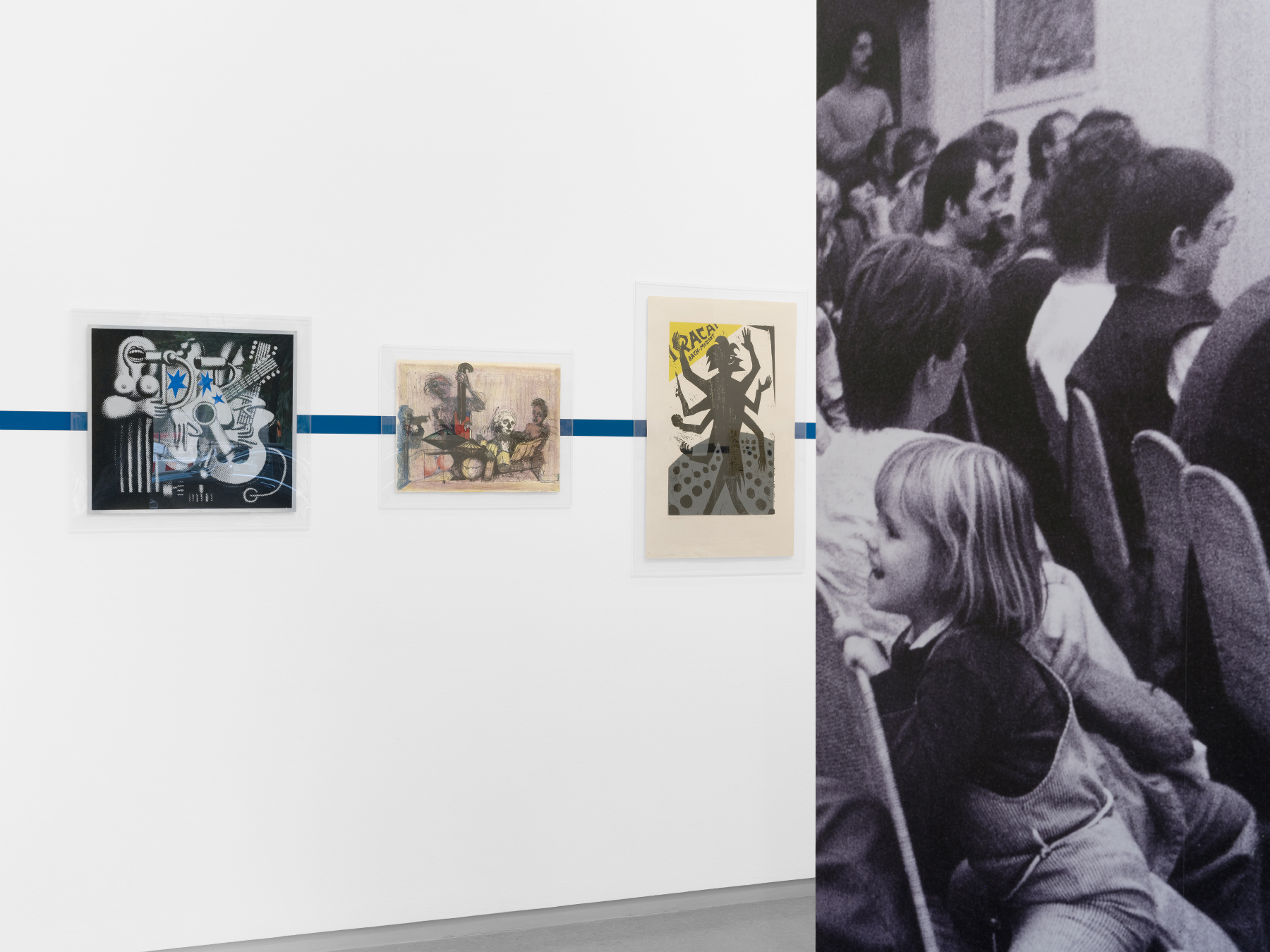
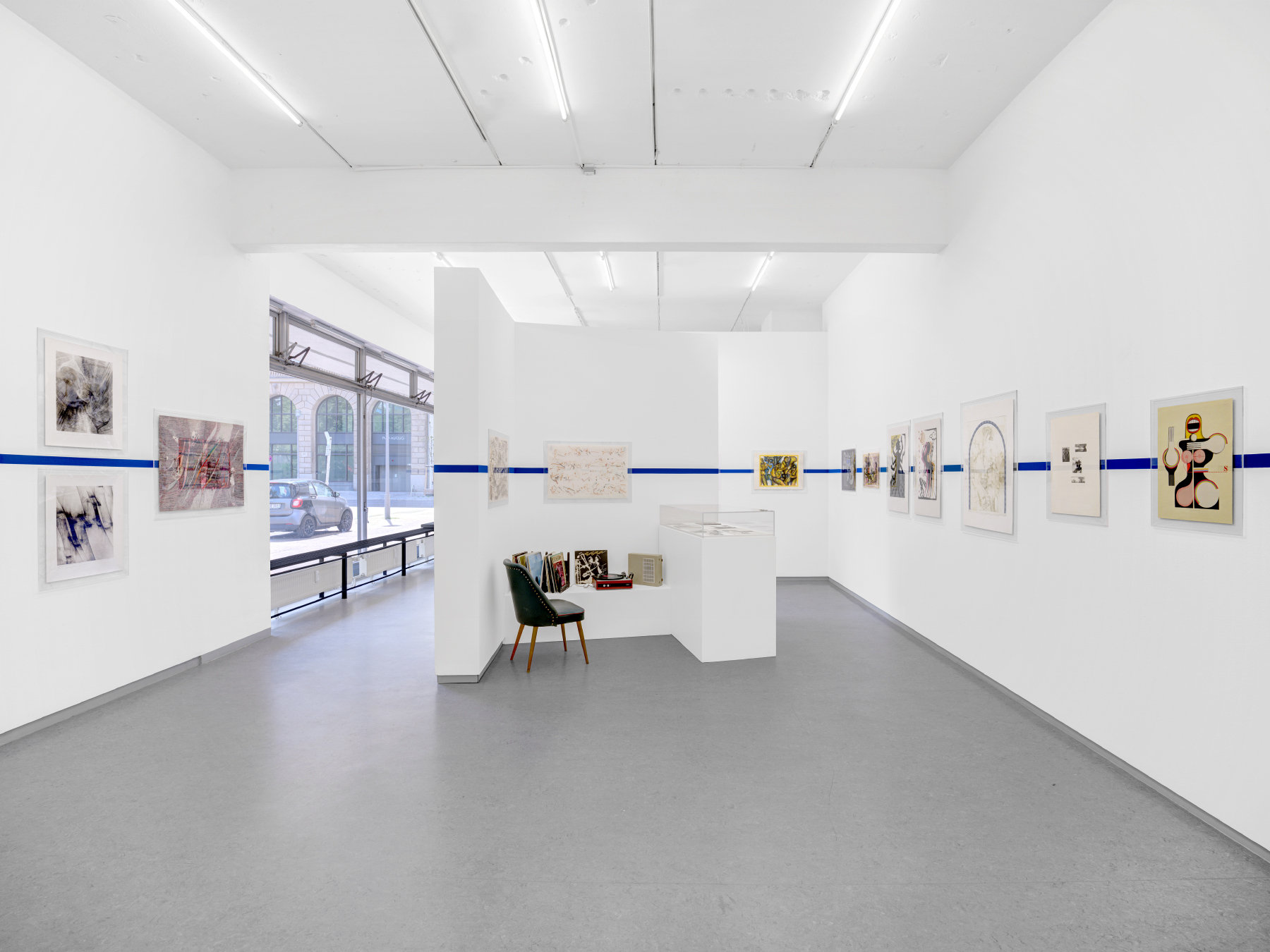
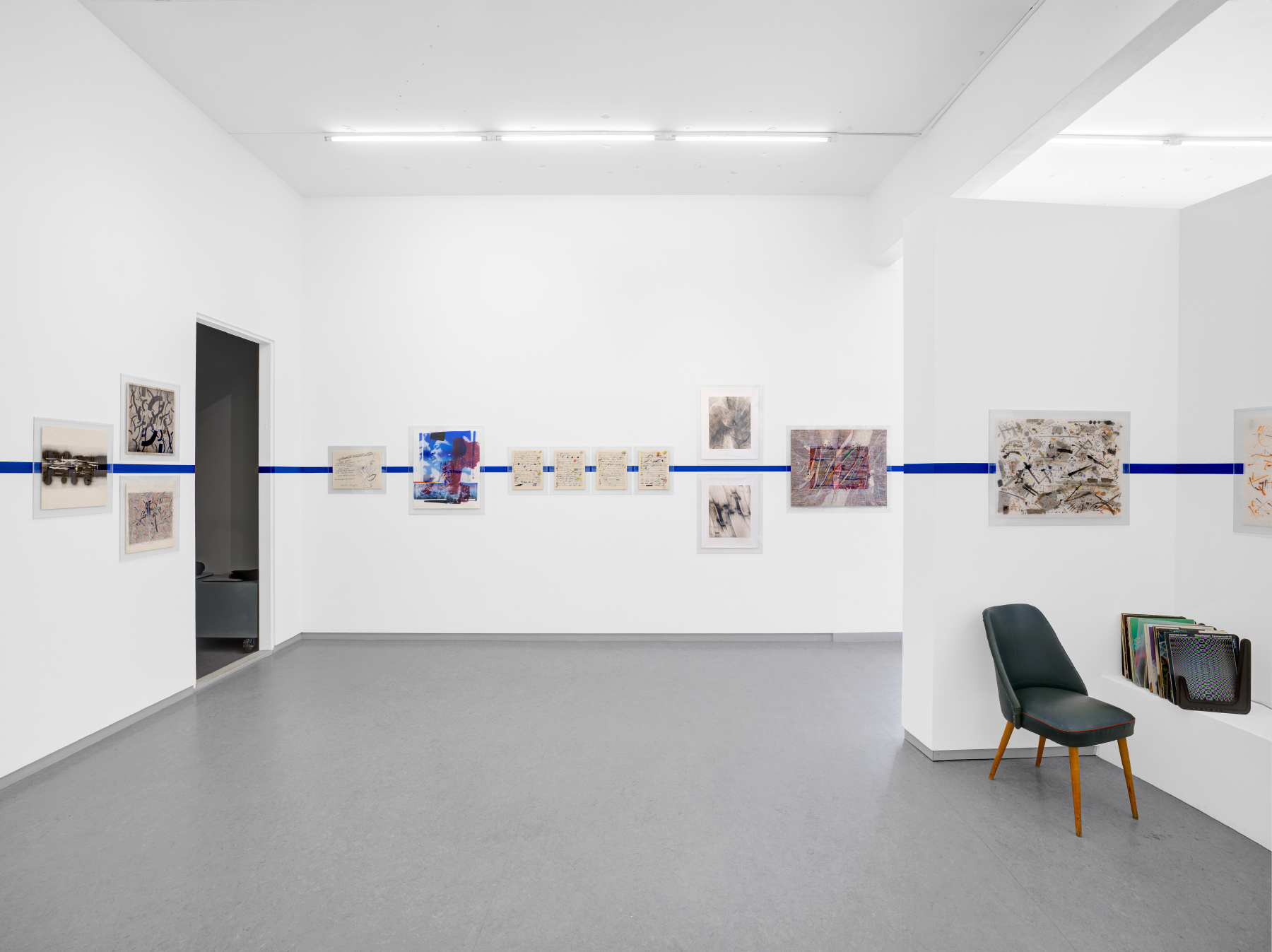
The original exhibition Musik in der Bildenden Kunst der DDR (Music in Visual Art in the GDR) featured over one hundred artworks, nearly fifty of which are now on view at KVOST – the Kunstverein Ost in Berlin. All except for one come from the ifa’s depot in Stuttgart, which houses the print collection of the Centre for Art Exhibitions of the GDR (Zentrum für Kunstausstellungen der DDR or ZfK).

Coda: Wiederaufführung einer Ausstellung (Coda: Reenacting an Exhibition) is part of the exhibition series Publik Machen: Zu Arbeit und Wirken des Zentrums für Kunstausstellungen der DDR (Making Public: On the Work and Legacy of the Center for Art Exhibitions of the GDR). Publik Machen examines the work of the Zentrum für Kunstausstellungen der DDR (ZfK) across six chapters. In 1991, the ZfK’s graphic design archive was transferred to the Institut für Auslandsbeziehungen (ifa). The ZfK combined state cultural policy with international exchange and today offers new perspectives on the relationship between art and politics. The project is realized in collaboration with the ifa-Galerie Berlin, Schloss Biesdorf, KVOST – Kunstverein Ost, the Prater Galerie, the Galerie im Turm, and the robotron-Kantine in Dresden.
In the mid-1980s, the exhibition Musik in der Bildenen Kunst der DDR, conceptualised by Hans-Jörg Schirmbeck, went on tour. Its stops included L’Aquila in Italy, Paris, Vienna, Bucharest, Duisburg and Kuwait City. It was also shown twice in East Berlin. The curator’s original concept engaged with music in all its forms: portraits of famous composers such as Beethoven or Eisler, musicians including a German Schlager singer, violinists, drummers and wind players performing solo or in ensembles, depictions of instruments (e.g. a burning guitar) as well as more or less abstract works inspired by musical acts such as Pink Floyd, Erik Satie, Krzysztof Penderecki, Karlheinz Stockhausen and Johann Sebastian Bach.

We all live with music. Whether emitted by a radio alarm clock, speakers in stores, headphones on public transit or portable stereos in our workspaces – music is part of daily life. At times we choose it, at others we must endure it, but not a day goes by without our ears perceiving music. For many artists, it is much more than an auditory backdrop. It can function as a point of departure, a source of inspiration, an impulse to create.

Moreover, music provided a unique space of creative freedom between the 1960s and the 1980s in the German Democratic Republic (GDR): a terrain where autonomous forms of expression could thrive despite state restrictions. Music is at the centre of the artworks presented in the original exhibition – no longer a sound tapestry in the background, but an independent, tangible presence translated into lines, planes and forms.

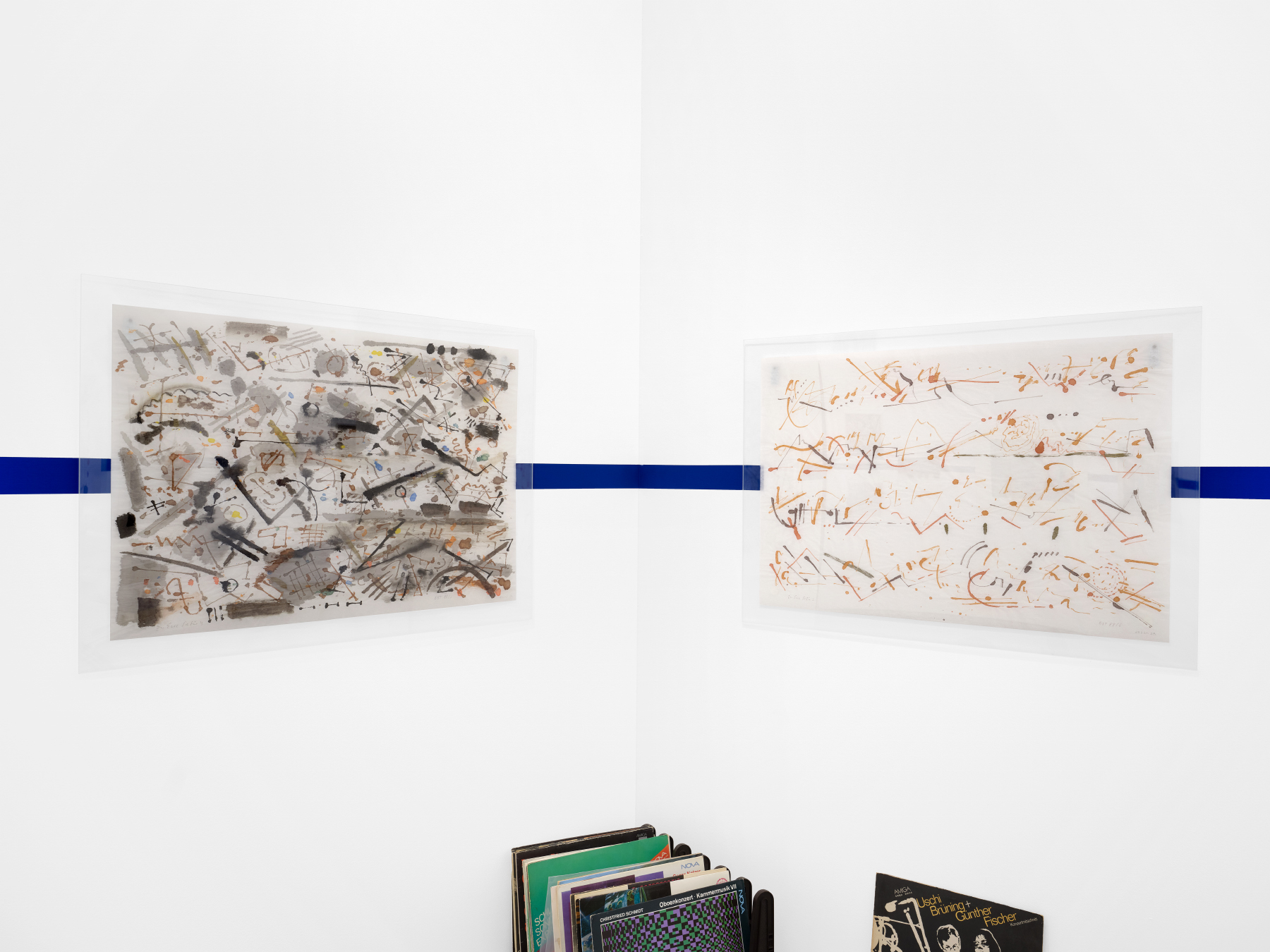
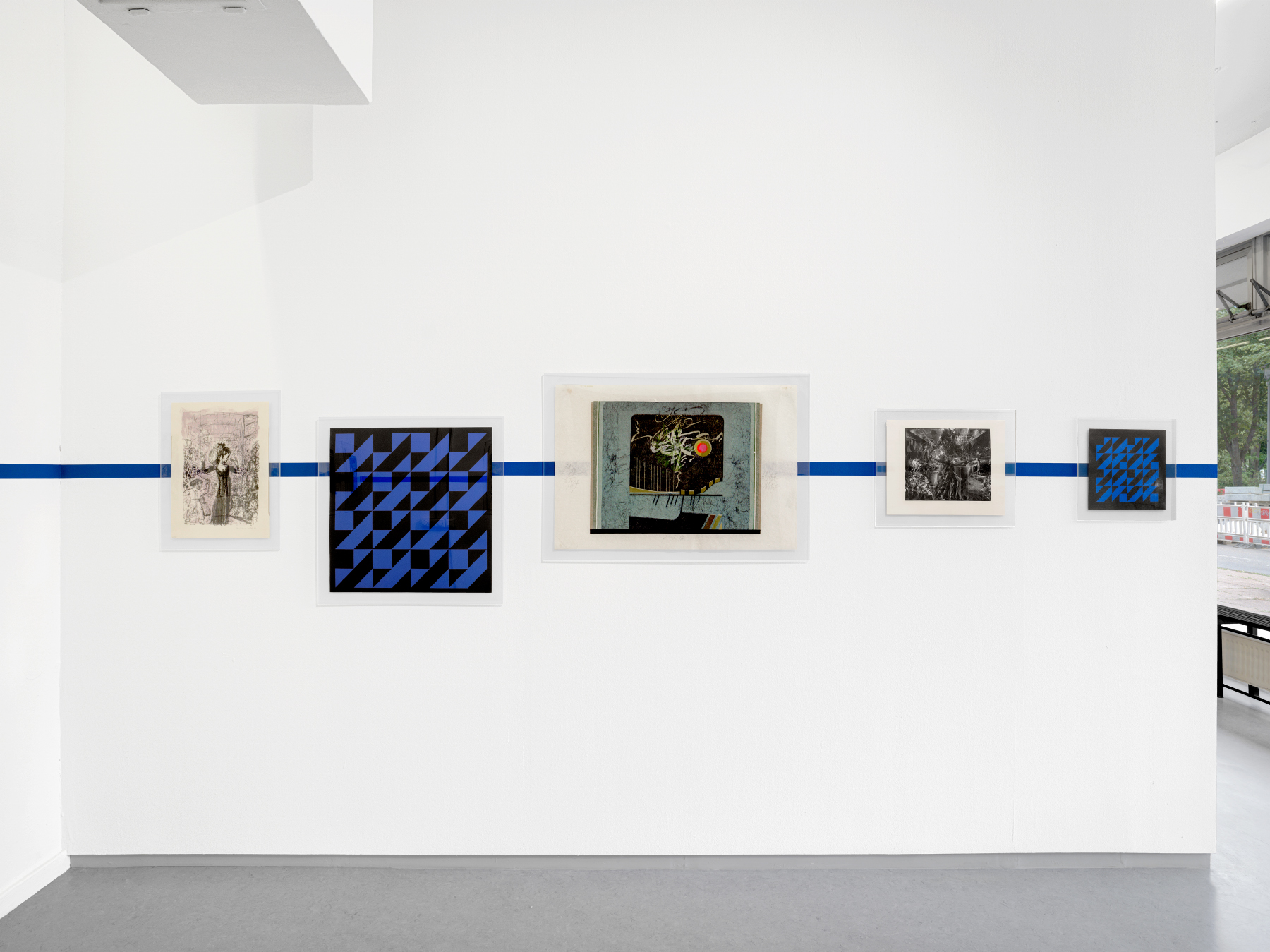
The diversity of the material on view is especially striking: classical and contemporary music, but also Schlager, jazz, pop – all genres were present in Musik in der Bildenden Kunst der DDR, and are therefore also represented in Coda. This heterogeneity is visible in individual artworks, which range from figurative portraits to abstraction all the way to newly invented notation. Numerous techniques of working on paper are showcased, among them drawing, etching, screen printing and watercolour.

The artworks are presented in a precise chronological order, from 1963 to 1988. An art historical narrative unfolds to illustrate East German artists’ tastes and how music inspired them, and the development of forms and interests over twenty-five years – from concrete realism to an abstraction shaped by the sounds of its time. The title Coda: Reenacting an Exhibition is borrowed from musical terminology. A coda signals the conclusion of a piece of music, a moment of reflection before silence ensues. The present exhibition is designed as a reenactment – an interpretation in a performative sense. Less a faithful reconstruction of the past than a new, free and self-aware exploration of the original exhibition’s different versions.